Original Signed Paha Ska Rabbit Skin Hide Painting
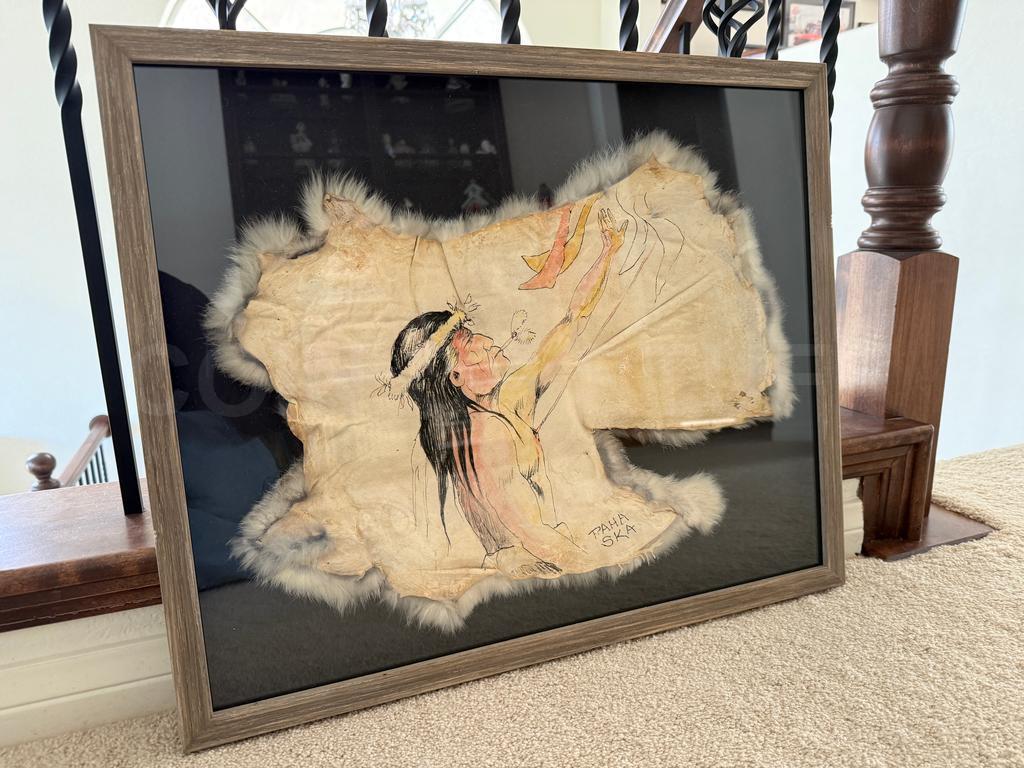
Back in the late 1970s, I took a memorable trip with my grandparents through the Black Hills of South Dakota. I can't recall the exact location, but I vividly remember stopping into a small store where I was mesmerized by a Native American artist painting portraits. Though many details have faded with time, that moment left a lasting impression on me.
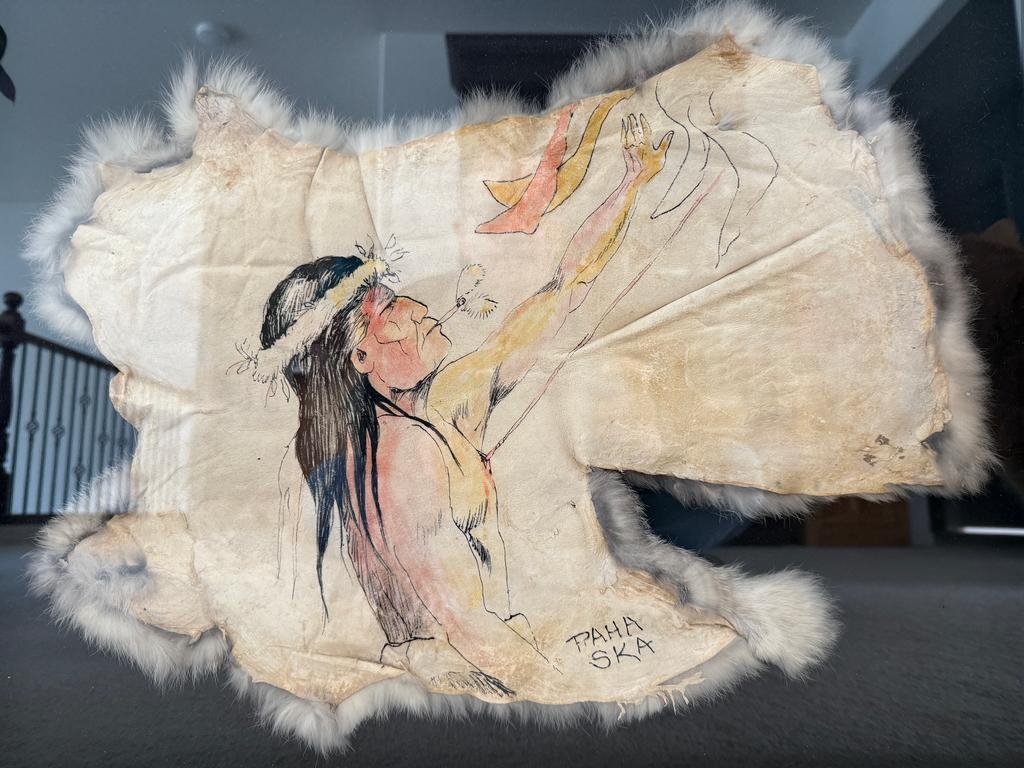
What I do remember clearly is that my grandparents bought me a special keepsake: a rabbit skin painted by a Native American artist. For decades, it was stored away in a dark, dry container, kept safe but largely forgotten. Recently, I shared this story with my mother, and she agreed that such a meaningful piece deserved to be properly protected and displayed.
She took the initiative to have the rabbit skin professionally framed, turning it into a cherished display. Intrigued by its origins, I did some research on the artist and discovered that his works are exhibited in various museums across the Dakotas.
I'm incredibly proud to own this piece of history, and below, I’ve gathered some fascinating information from my internet research. I hope you enjoy learning about it as much as I cherish owning it.
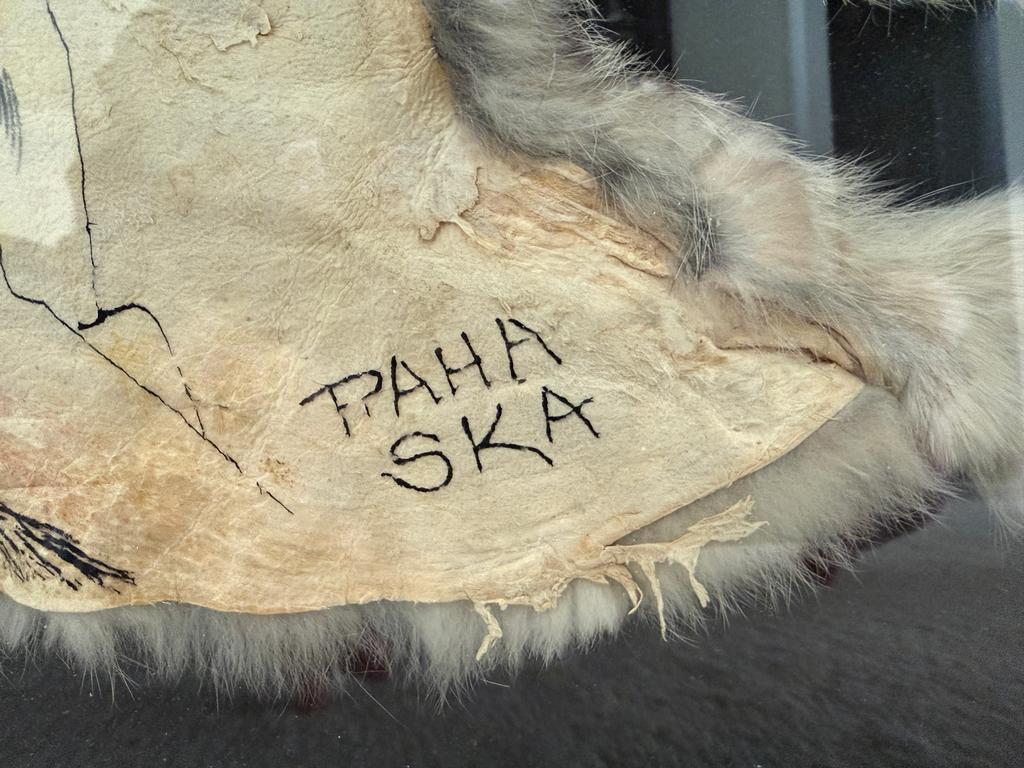
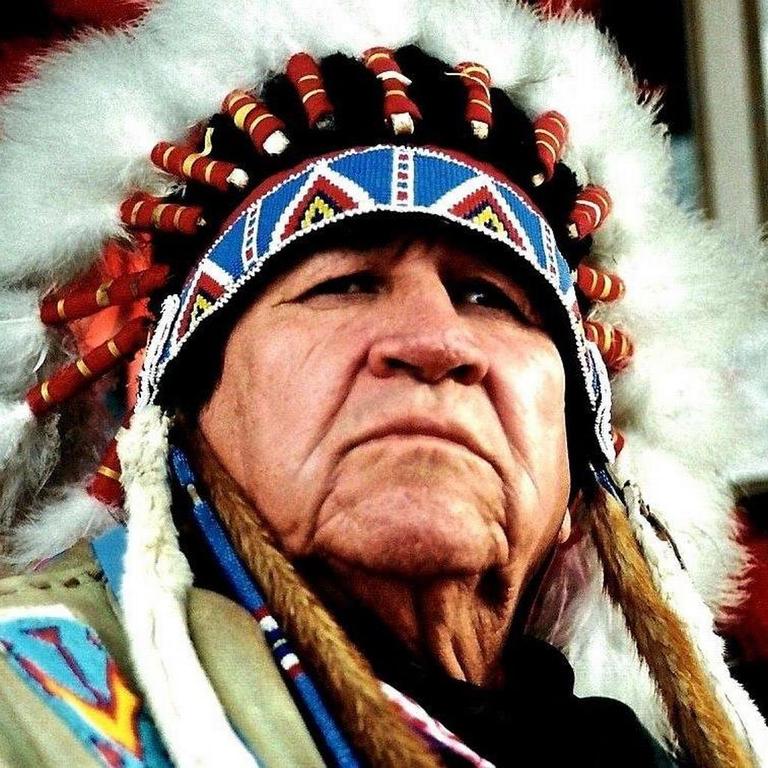
Paha Ska (Orville Salway, Sr.) was born in 1923 in the village of Pine Ridge and was an enrolled member of the Oglala Sioux Tribe. His name, Paha Ska, means "White Hills" in English, reflecting the rugged, barren white sandstone hills typical of South Dakota's Badlands.
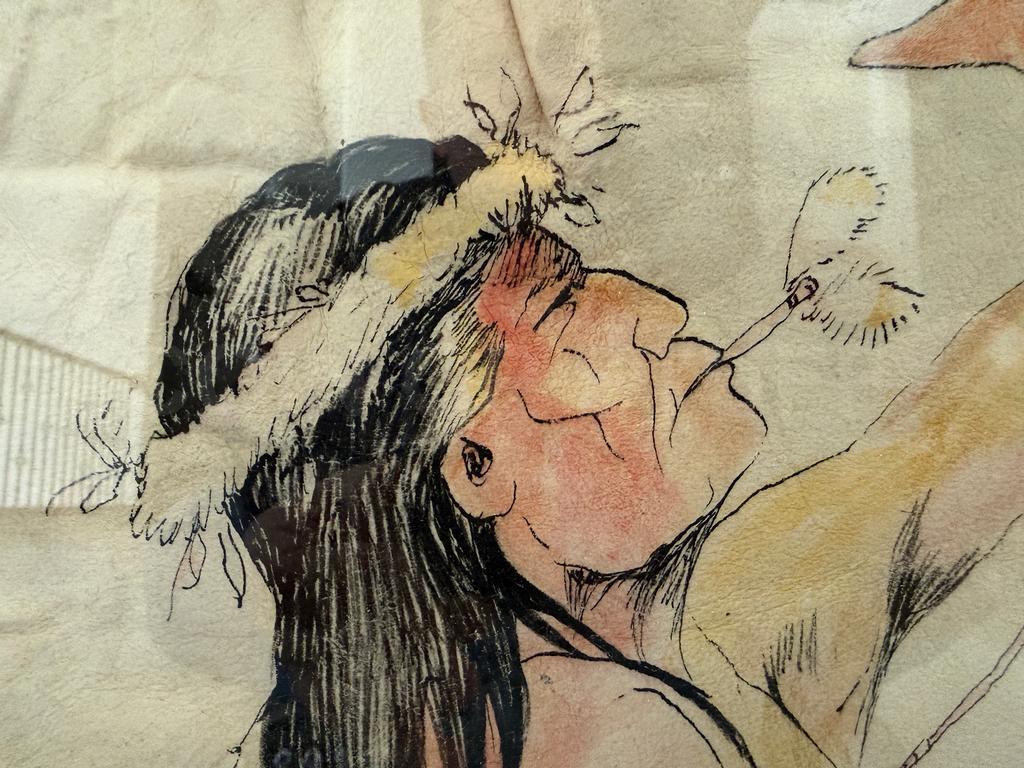
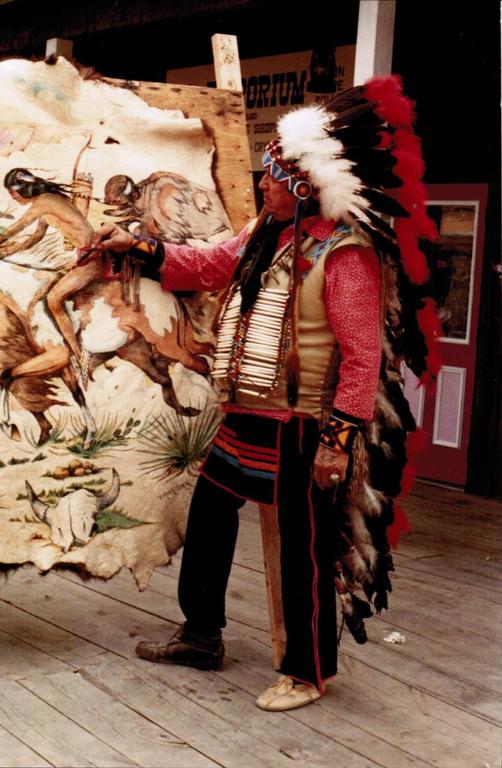
A self-taught artist, Paha Ska believed that his lack of formal training helped keep his art true to traditional Native American philosophies. His paintings often carry deep spiritual significance, reflecting his heartfelt connection to his culture. He created his artwork using natural dyes on animal hides, following traditional methods.
Paha Ska eventually moved from reservation life at Pine Ridge to the Black Hills, settling near Keystone. For many years, he dedicated himself to depicting his people and their way of life through his art.
Below is his Obituary from the Black Hills Funeral Home:
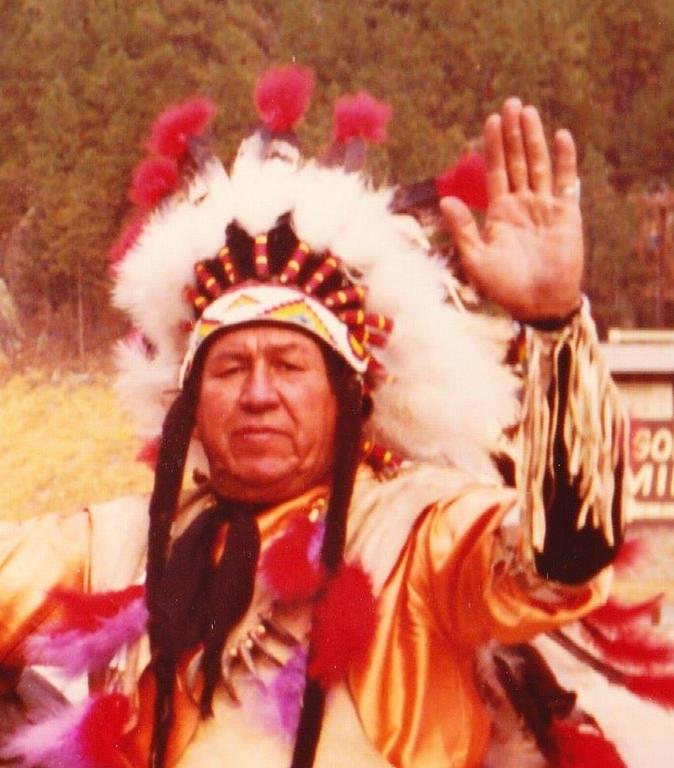
Orville Francis Salway, Sr. died Thursday, November 10, 2005 at his home in Keystone He was born in a soddy near White Clay, Nebraska on October 23, 1923, fifth of eight children of William and Winifred Janis Salway. As a child he roamed the hills around Pine Ridge, riding the horses his father bought and sold, hunting and trapping the creeks. He attended the boarding school in Pine Ridge. He was fluent in the Lakota language, taught by his grandmother Millie and mother Winifred, and loved the stories they told of the old days, which found their way into his artwork later. Early on he exhibited a talent for art. His first creations were cartoons drawn on grocery sacks done in pencil. In fourth grade, his teacher submitted one of his drawings of a coyote howling to the Omaha Word-Herald, and its publication birthed a career. He painted under the name ?Paha Ska? (White Hills) after the buttes around the family homestead south of Allen, a name given him by Ben Black Elk. After leaving school he worked on farms and on a buffalo ranch at Camp Crook, South Dakota which supplied meat for the war effort. He also worked in the oil fields in Wyoming and on bridge construction, as a semi-pro boxer, and, with his brother Vincent, as extras in many movies filmed in the Black Hills, such as ?White Savage? and ?Trials of Chief Pontiac.? He also worked as a pipe layer for the Oscar Jones Construction Co. Rapid City. He married Joyce Cummings in 1941, and to this union were four sons: Orville Jr. (Candace) of Playadel Rey, CA, Ronald (Margaret) of Prairie View, Illinois, Donald (Roxanne) of Rapid City, SD, and Terry (Diane) of Rapid City, and one Daughter, Barbara Kay Jensen (Michael) of Gilbert, AZ. In 1956, after an auto accident, he began working in Keystone selling his artwork to the tourists at the Indians Store. Later he posed for photos in traditional Northern Plains garb with a horse. The most famous of these was a bay quarter horse mare named Kippy, who he worked with for 20 years. He continued selling his artwork and ran a trail ride concession. Quiet, sober, humble and soft-spoken, he proudly represented his people as Goodwill Ambassador of Keystone for 48 years, meeting thousands of people, selling over a quarter million prints and hundreds of original oils and hide paintings which are in private collections, museums and even palaces all over the world. He was photographed by families, movie stars, televisions news, bikers, rock stars and people from all walks of life. In 1983 he married Susan Kertz Turner from Toledo, Ohio. Together they ran trail rides, raised registered paints and quarter horses, and promoted his art career. He won numerous art shows and awards for his work, traveling extensively to exhibit and guest lecture on Native American art all over the U.S. and in Scotland (which resulted in some interesting photos of Paha Ska in a kilt and sporrin) and they took an anniversary cruise to Hawaii in 2000. He is survived by his wife, Susan of Keystone, all of his children, 10 grandchildren, 10 great grandchildren, and stepson Stephen Turner of Keystone as well as numerous cousins, nieces and nephews. He was preceded in death by 5 brothers Ted, Sy, Marcel, Clem, Gus, two sisters Madge, Dodie, stepdaughter Laura Amanda Turner.
Disclaimer: Although I have done my best to ensure that all information contained on this page is correct, I cannot take responsibility for any typos or misleading information.